
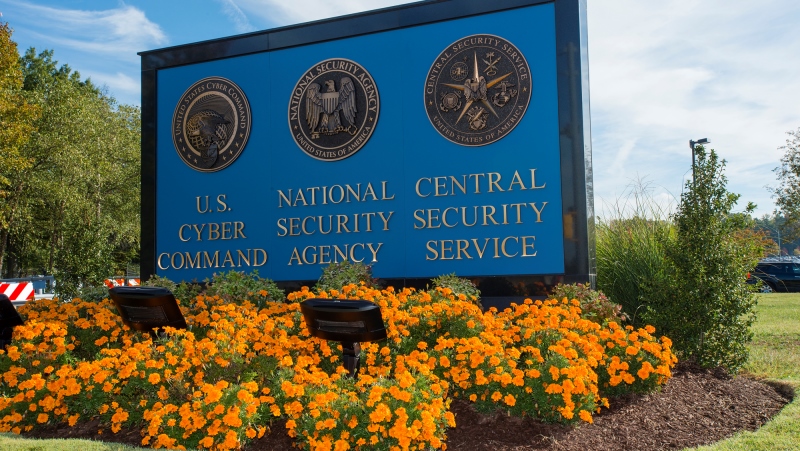
Lt. Gen. Joshua Rudd, President Donald Trump’s nominee to lead U.S. Cyber Command (CYBERCOM) and the National Security Agency (NSA), pledged today to evaluate the effectiveness of the dual-hat leadership structure of the agencies.
During his nomination hearing before the Senate Armed Services Committee, Rudd said the arrangement, in which the same official heads both NSA and CYBERCOM, has demonstrated “effectiveness as well as efficiency,” but emphasized that effectiveness should take priority.
Therefore, Rudd said he would continuously review its performance and provide objective advice based on input from both organizations and their customers regarding the future of the structure.
In its current form, Rudd said he believes the dual-hat structure is “a very effective construct.” He noted that the structure enables unity of command and helps integrate capabilities across joint operations, both kinetic and non-kinetic.
Despite Rudd’s assessment, Sen. Tommy Tuberville, R-Ala., urged him to evaluate whether the current leadership arrangement continues to meet cyber and intelligence needs if his nomination is confirmed.
The dual-hat arrangement dates to 2010, when CYBERCOM was co-located with NSA to leverage personnel, infrastructure, and expertise as the new command matured. The leadership overlap was intended as temporary, but the two organizations have remained under a single commander since.
Lawmakers have debated whether the arrangement remains effective. Some argue for maintaining the joint leadership, while others question the wisdom of keeping the posts combined.
Congress has previously barred any split until CYBERCOM has independent command systems and the tools and capabilities to operate separately.